Why study at the Institute
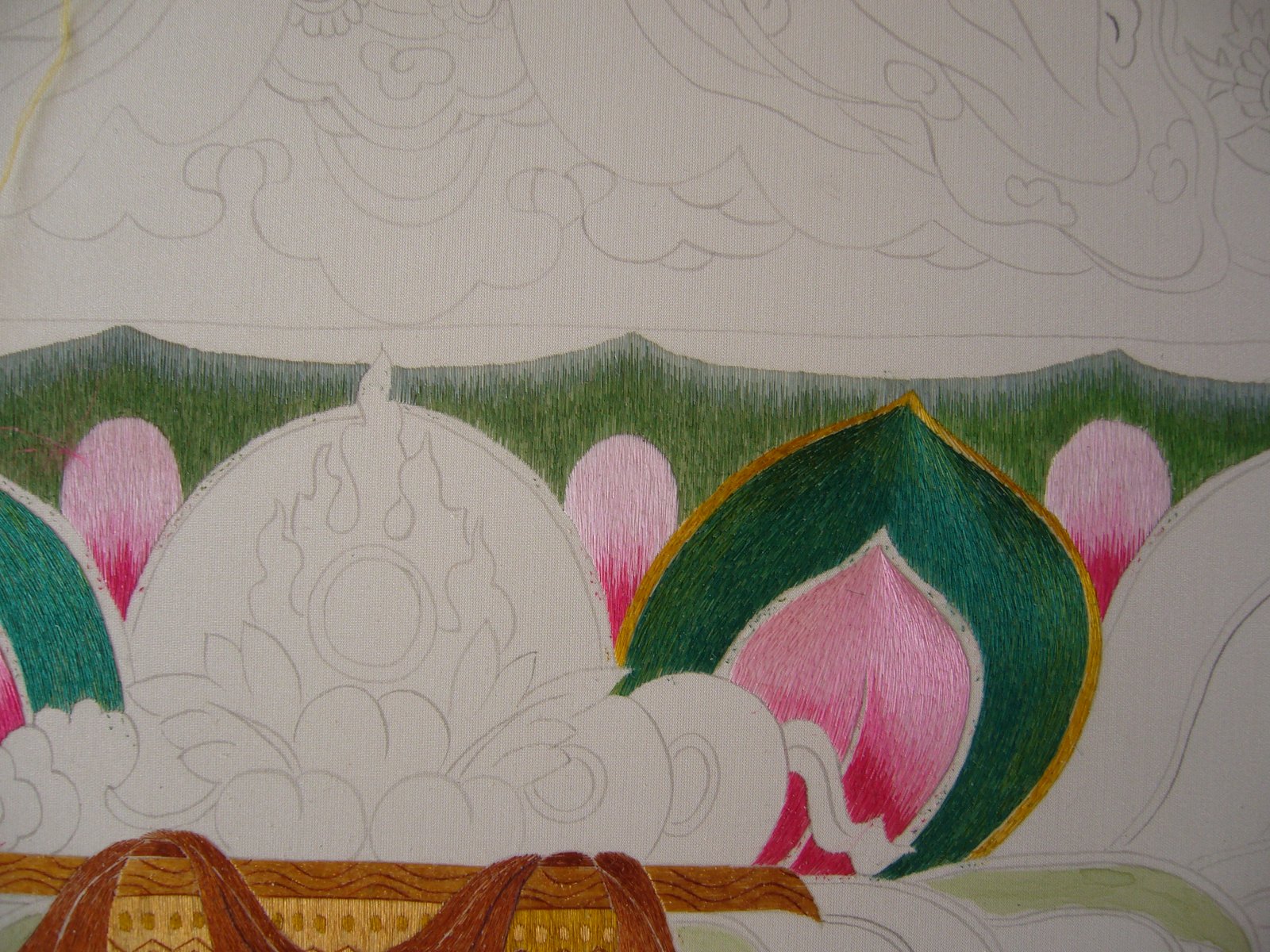
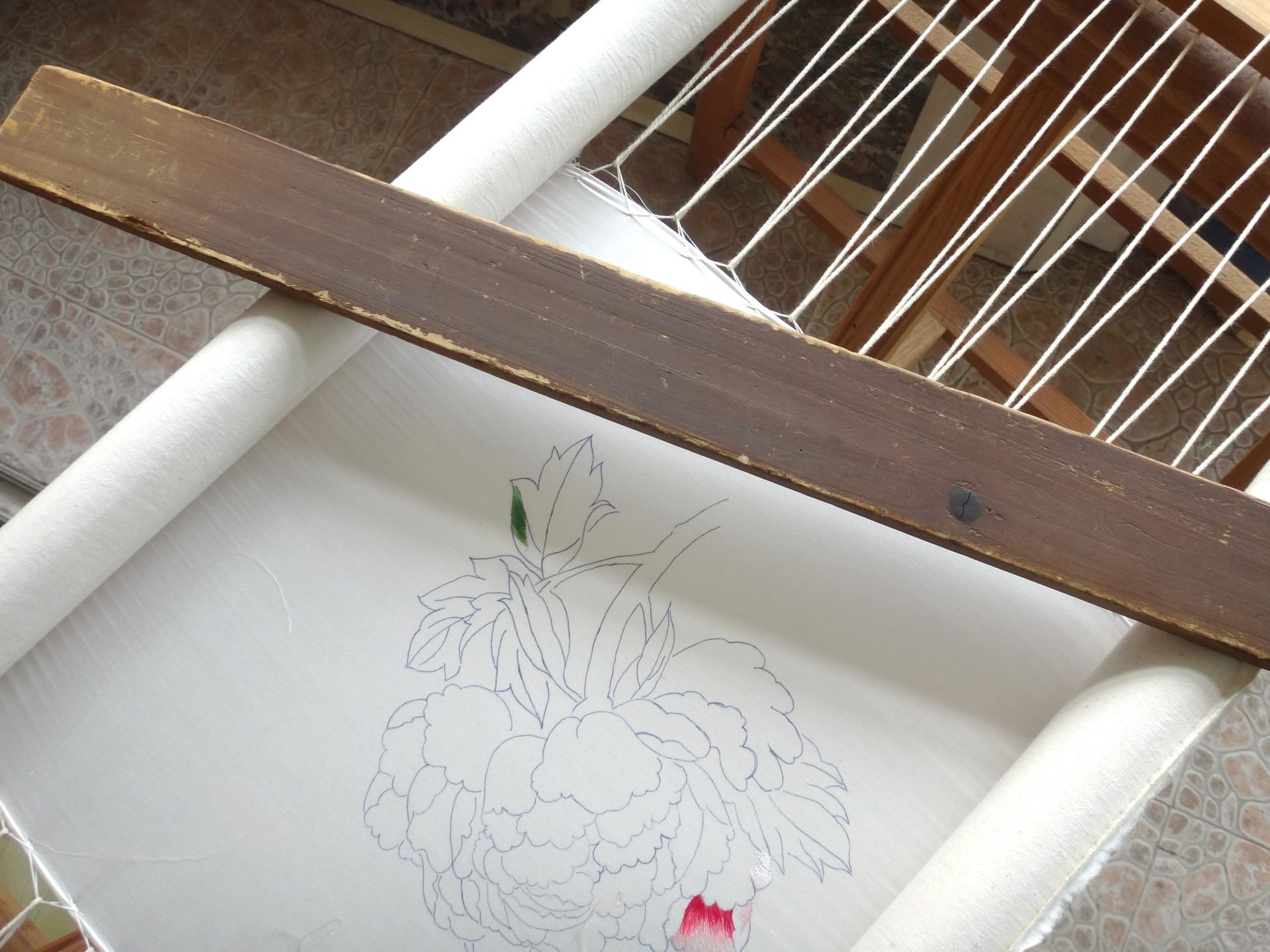
The Chinese Embroidery Institute (北京邵晓琤织绣研究院(普通合伙)) works in research, creation, technique recovery, protection and transmission, publishing and cultural exchange. Teaching follows the traditional technique system and art practice: real hand work, material knowledge, stitch structure, aesthetic understanding and sustained training.
- Technique grounded in research and long practice
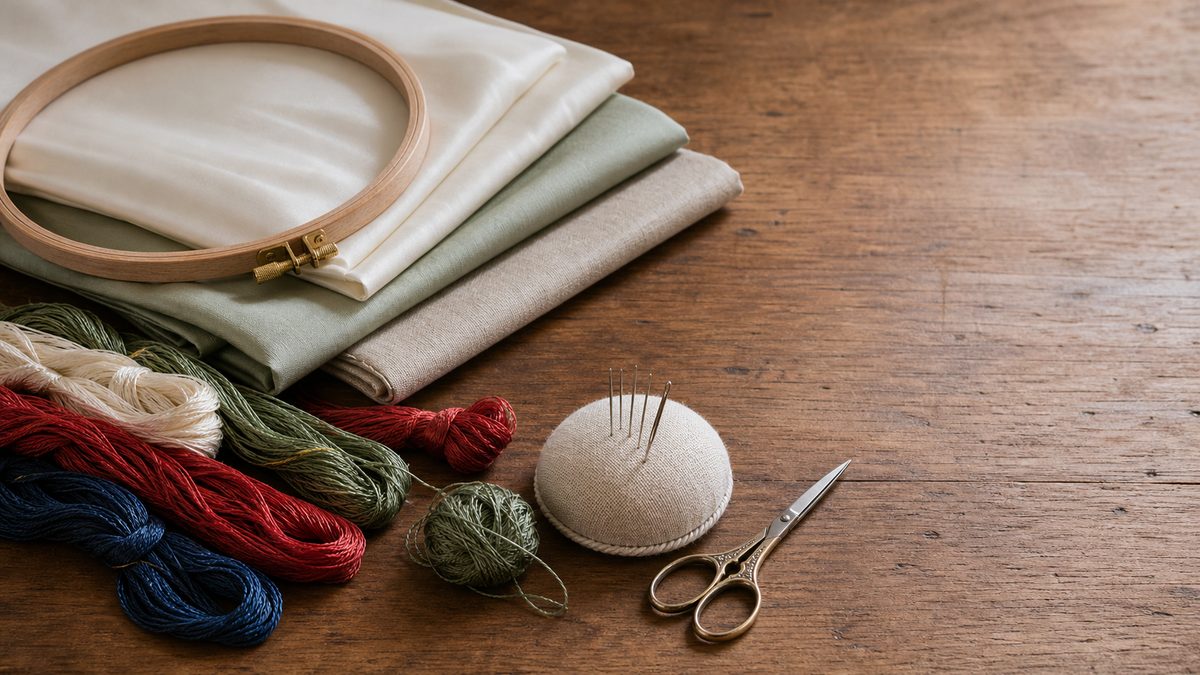
- Real silk materials and traditional tools
- Individual guidance fitted to your background and goals
- Clear distinction between embroidery as art and knowledge practice, and commercial embroidery products
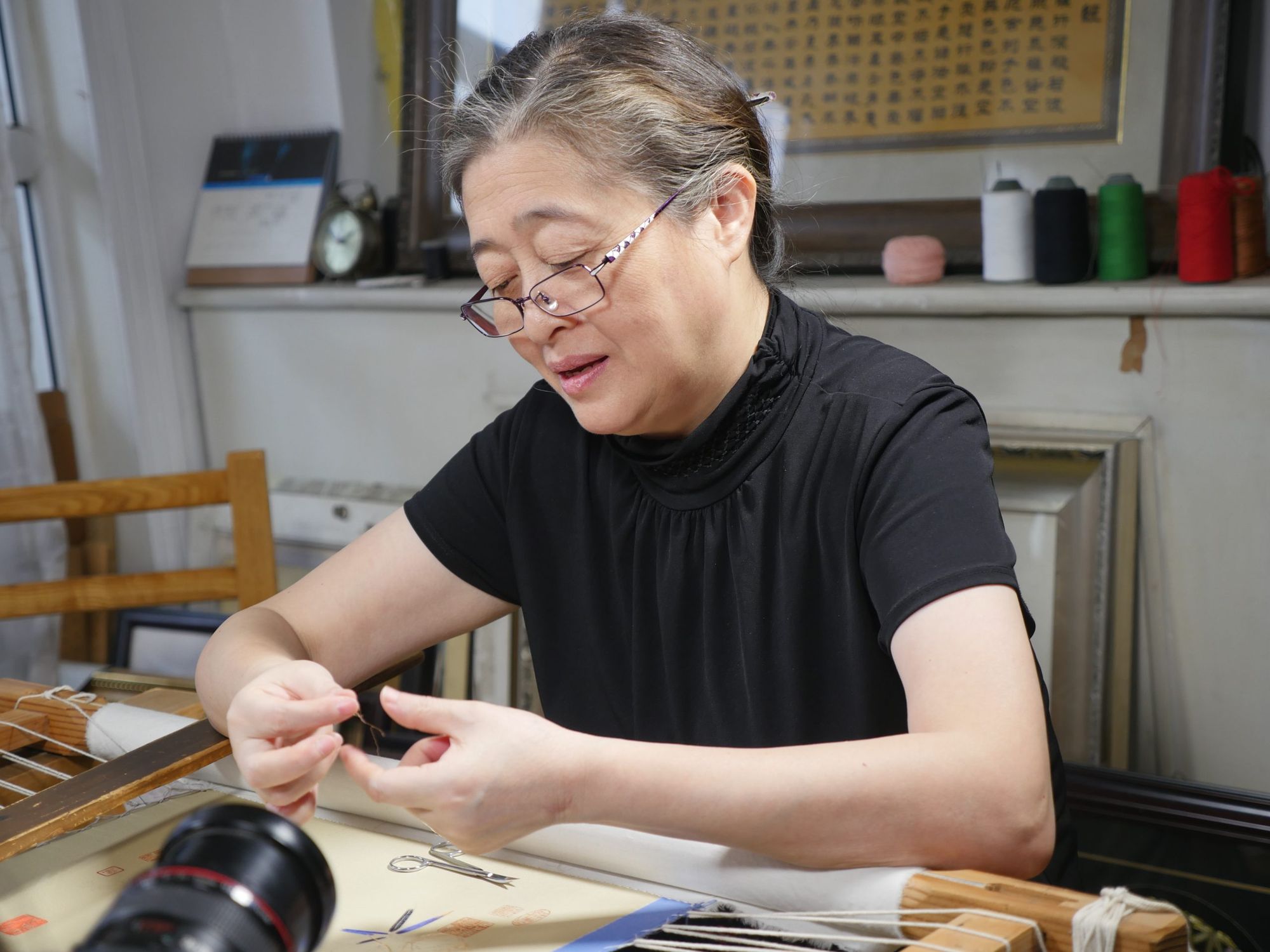
This is not a quick-master programme, a promise to master Suzhou embroidery in a short stay, or a path to professional certification, university credit or a vocational qualification. Teaching takes place in the Institute’s everyday embroidery studio in Shunyi District, Beijing — by appointment, small-scale and individual — not a university, vocational school, training campus or international school.
Course content — five modules
Modules are adjusted to your artistic background and ability. Teaching sits within the broader system of traditional Chinese embroidery. Su-embroidery-related techniques can be emphasised by interest; the course is not limited to modern Suzhou commercial embroidery. We do not promise mastery of traditional Su embroidery or high-level artworks in three weeks.

Teaching format and time
Reference plan (typical; dates adjustable by agreement): one-to-one, in person, at the Institute’s everyday embroidery studio in Shunyi District, Beijing; 3 weeks; in principle 3 sessions per week; each about 3–5 hours; about 9 sessions; about 27–45 hours of direct guidance. Non-teaching days are for independent practice and homework. Teachers: Shao Xiaocheng (邵晓琤) and Yao Xiao (Martin Xiao, 肖尧), assigned according to content. On completion, the Institute issues a certificate of study (learning certificate).
Other durations may be discussed on request. Fees are confirmed in a personalised quote and study agreement — not listed as fixed public prices on this page.
Language: Teaching is in Chinese, with AI simultaneous interpretation. AI-assisted interpretation draws on embroidery terminology — the same language approach as the Institute’s online courses (taught in Chinese with professional AI translation).
Fees and what is included
Study is priced as a whole project, not by the hour. If a session runs longer for practical reasons within the agreed project, there is no extra fee for that adjustment. Exact fees depend on duration and study plan — request a personalised study plan and quote.
Deposit, payment schedule, refund and postponement terms are set out in the individual study agreement agreed before the study begins (or confirmed on enquiry). They are not listed as fixed public terms on this page.
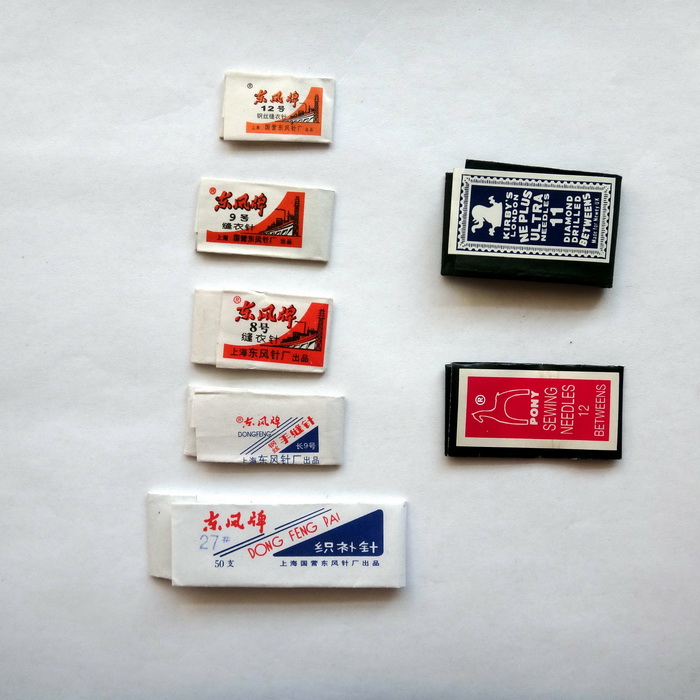
Included: one-to-one teaching and technical guidance; embroidery tools and real silk threads needed for the course; practice fabric and other teaching materials; homework checks and guidance between sessions; Institute certificate of study; necessary teaching-time adjustments within the agreed project.
Not included: international travel and visa fees; accommodation, meals and local transport; other personal expenses.
Formal arrangements follow the signed study agreement. An individual arrangement with one student is a business reference only; it is not an automatic promise for every future student.
Who it is for
- Overseas learners with a sustained interest in traditional Chinese embroidery
- University students in art, design, textiles or fashion
- Practitioners with a painting or embroidery background seeking deeper traditional silk embroidery study
- Professionals bringing Chinese embroidery into their own art
- International students able to come to Beijing for short intensive study
Beginners are accepted; the plan is set by background and goals. The Institute does not offer university credit, degree recognition or a professional qualification.
Teachers and the Institute
Chinese Embroidery Institute — overseas name for 北京邵晓琤织绣研究院(普通合伙).
About the Institute · Research & heritage work · Embroidery Studio
Shao Xiaocheng (邵晓琤) — embroidery researcher, artist, restorer and author.
About Shao Xiaocheng
Yao Xiao (Martin Xiao, 肖尧) — Deputy Director; editor, researcher and writer.
Yao Xiao (Martin Xiao)
Selected publications: Chinese Embroidery: An Illustrated Stitch Guide · Books · Publications
Teachers for each project are assigned according to content.
How to apply — five steps
- Submit an enquiry — nationality, country of residence, art and embroidery background, expected study period and goals.
- Institute review — fit based on background and portfolio.
- Agree the study plan — duration, fee, scope and arrangements.
- Sign a study agreement — documents, payment and other arrangements per actual conditions.
- Study in Beijing on the agreed schedule.
Visa: Depending on the case, the Institute may provide appropriate course or acceptance documents. The Institute does not promise that a visa will be granted, and does not claim a general foreign-student enrolment licence.
Frequently asked questions
Do I need prior embroidery experience?
No. Beginners are welcome. The plan is set according to your background and goals.
How long is the study?
A typical reference plan is three weeks (about nine sessions; about 27–45 hours of direct guidance). Other durations can be discussed. Exact dates are agreed case by case.
What language is used in teaching?
Teaching is in Chinese, with AI simultaneous interpretation. AI-assisted interpretation draws on embroidery terminology, consistent with the Institute’s online courses (Chinese with professional AI translation).
Are materials provided?
Tools, real silk threads, practice fabric and other teaching materials needed for the course are included in the project fee described above.
Is accommodation arranged?
Accommodation, meals and local transport are not included. You arrange your own stay in Beijing.
Can the Institute help with a visa?
The Institute may provide appropriate course or acceptance documents depending on the case. A visa is never guaranteed.
What certificate do I receive?
An Institute-issued certificate of study (learning certificate). It is not university credit, a degree or a professional qualification.
What about fees, deposits, refunds or postponement?
Those terms are set out in the individual study agreement agreed before the study begins (or confirmed when you enquire). They are not published as fixed terms on this page.
Where is the studio?
Shunyi District, Beijing — the Institute’s everyday embroidery studio. The exact address is shared after arrangements are confirmed.
Cannot travel to Beijing? See Online Chinese Embroidery Courses & Classes.
Request a personalised study plan and quote
Please include: nationality, country of residence, art and embroidery background (and a portfolio link if you have one), expected study period, and learning goals.
Use the form below (same secure Avada form mechanism as the site Contact page; the live Contact form itself is unchanged). Choose Embroidery Lessons / Workshops and Preferred Learning Format In-Person Lessons in Beijing when those fields appear. Or message WhatsApp +1 408 210 0870.
Submitting an enquiry does not by itself reserve a place or request payment. Please do not send passport scans or other unnecessary identity documents in the first message.
Privacy note: your enquiry is used only to respond about study arrangements. Formal arrangements follow the signed study agreement.