Q&A About Chinese Embroidery
Chinese embroidery is not only a hand technique, but also a way of understanding silk, thread, image, patience, and cultural memory. This page answers common questions from learners, collectors, researchers, and cultural institutions who wish to know more about Chinese embroidery and the work of the Chinese Embroidery Institute.
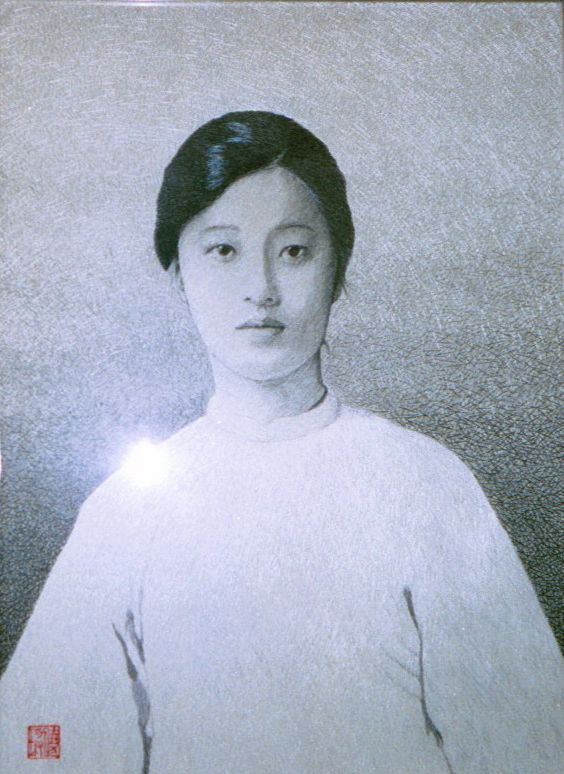
Common Questions
Below are some of the questions most often asked by learners, collectors, and cultural institutions.
Chinese embroidery is a traditional textile art based on hand stitching, silk threads, fabric, image interpretation, and refined control of color and texture. It has developed through different historical periods, regions, schools, and artistic practices. In many cases, Chinese embroidery is not simply decorative craftwork; it can also be understood as a form of image-making, cultural expression, and disciplined hand practice.
Chinese embroidery often places strong emphasis on the relationship between stitch, image, material, and meaning. A flower, bird, figure, landscape, or symbolic motif is not only stitched for visual beauty, but also interpreted through thread direction, color transition, density, texture, and cultural association. The work requires patience, observation, and careful understanding of both technique and image.
Yes. Beginners can start with basic stitches, silk thread handling, fabric preparation, needle control, and simple patterns. The learning process should be gradual. A beginner does not need to rush into complex works; it is more important to understand how the thread moves, how the hand controls tension, and how stitches build image and texture step by step.
Traditional Chinese embroidery may use silk threads, silk fabric, embroidery needles, frames, brushes, pattern drafts, and other supporting tools. Different works may require different thread thickness, color arrangement, fabric texture, and stitching methods. Material selection is an important part of embroidery learning, because the final effect depends not only on skill, but also on the relationship between thread, fabric, image, and light.
Courses may be arranged for beginners, continuing learners, small groups, and cultural institutions. Depending on the learner’s goals, teaching may include basic stitches, silk thread handling, image interpretation, material preparation, and project-based practice. Learners may contact the institute first to discuss their background, schedule, and suitable study plan.
Selected books, eBooks, silk threads, fabrics, and learning materials may be available through the CEI Shop or arranged according to specific learning needs. These materials are intended to help learners understand Chinese embroidery through both hand practice and cultural context.
The Embroidery Studio welcomes inquiries related to custom embroidery works, decorative applications, image-based creation, cultural presentation, and special projects. Each commission may involve different materials, images, sizes, purposes, and schedules, so preliminary communication is important before any project is confirmed.
Yes. The institute welcomes communication with museums, universities, schools, cultural organizations, collectors, researchers, and project teams interested in Chinese embroidery, visual documentation, teaching resources, exhibitions, cultural cooperation, or preservation-related discussions.
Further Reading
Explore selected articles on Chinese embroidery learning, silk threads, techniques, and visual culture.
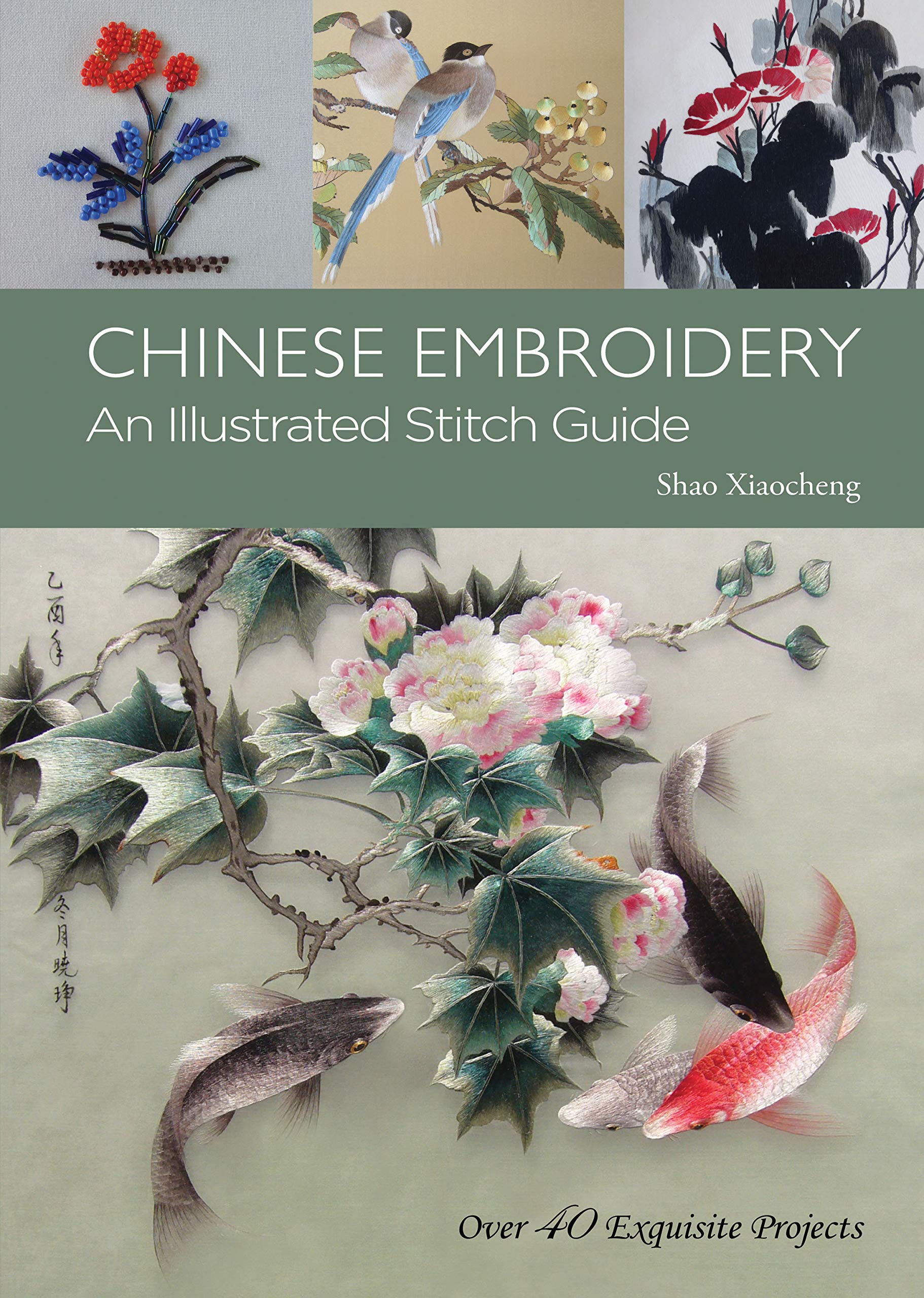
How to Start Learning Chinese Embroidery: A Guide for Enthusiasts Worldwide
A beginner-friendly guide to learning Chinese embroidery, from basic stitches and materials to cultural understanding.
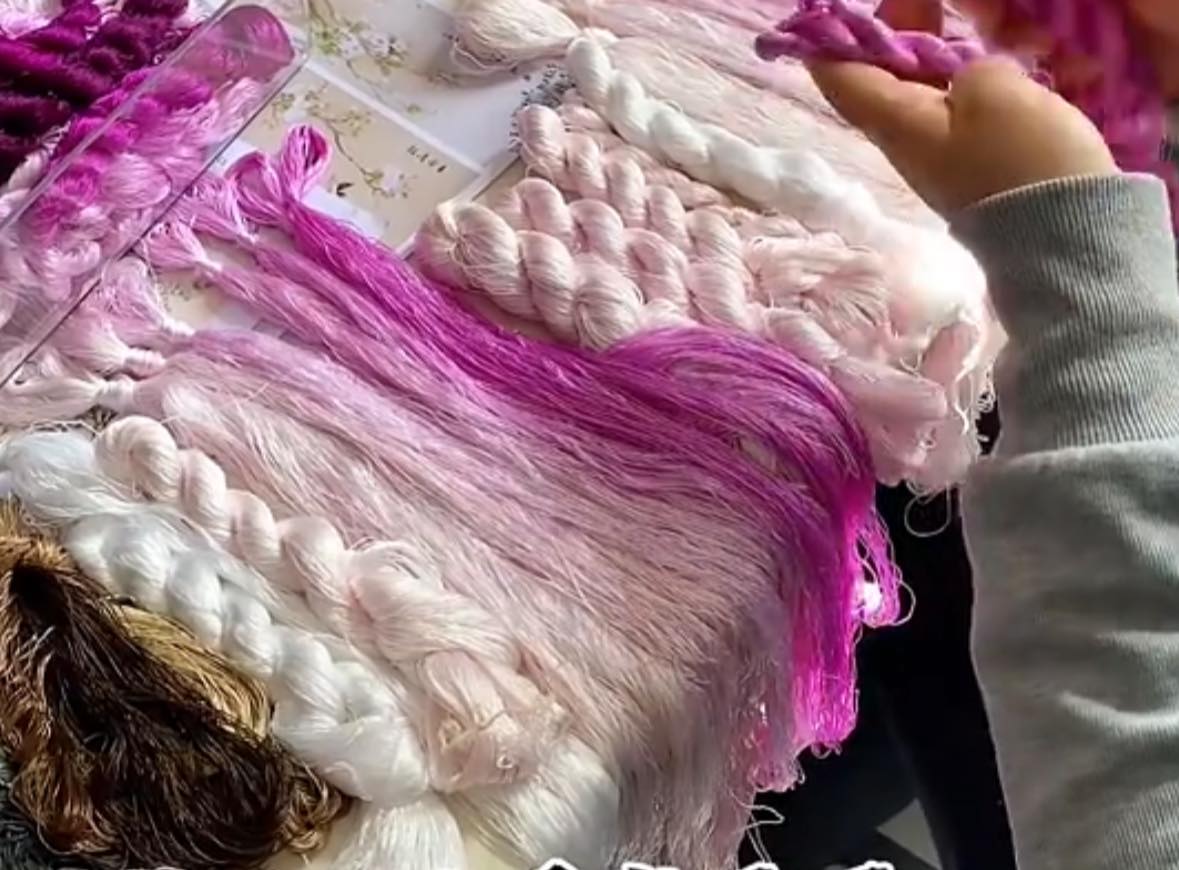
A Harmonious Blend: Silk Embroidery Threads in Drawn-Thread and Cross-Stitch Techniques
Explore the relationship between silk embroidery threads, drawn-thread work, and cross-stitch techniques.
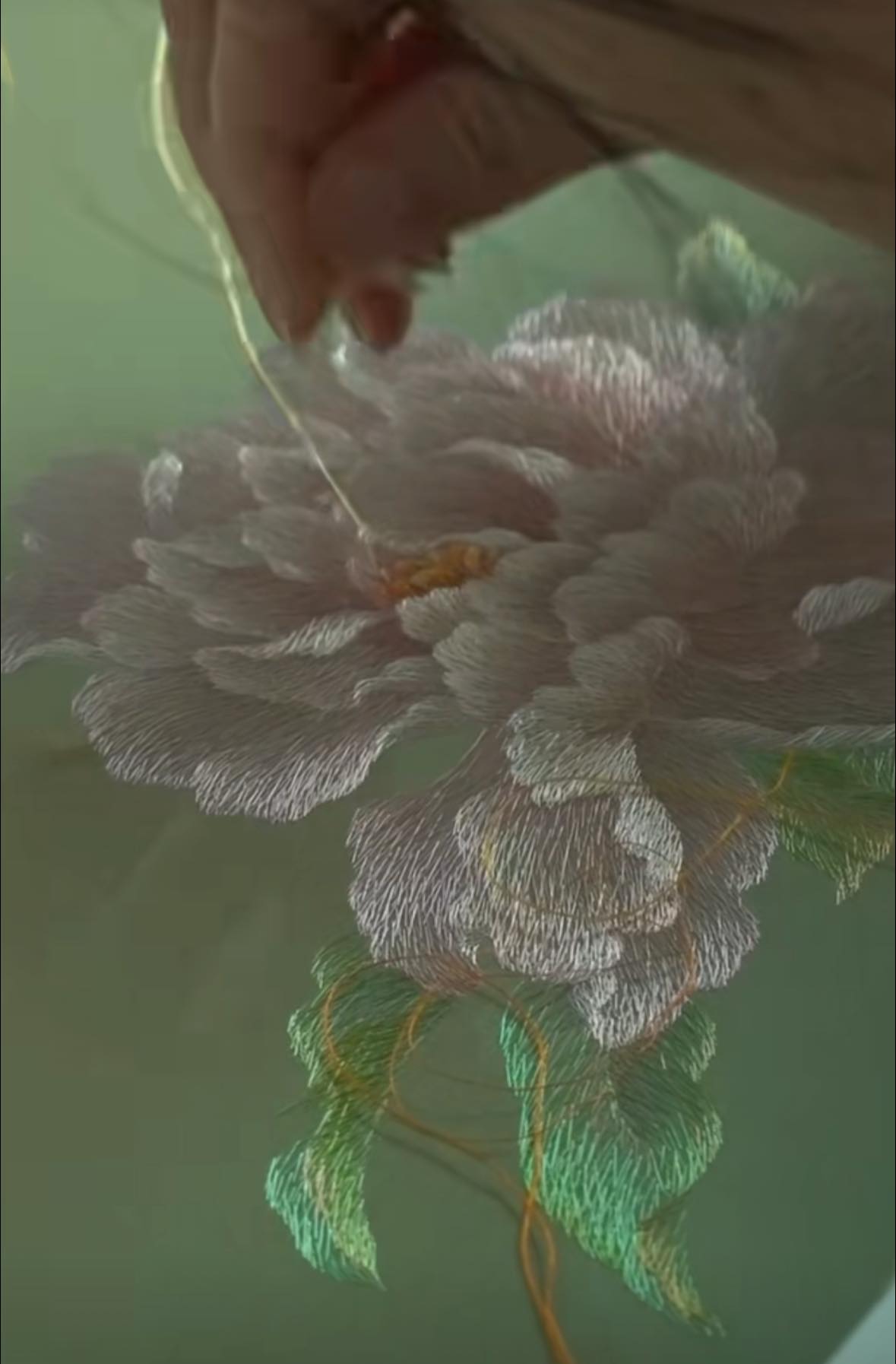
The Splendor of Silk Embroidery Threads
A closer look at silk embroidery threads, their visual beauty, texture, and role in Chinese embroidery practice.
Have a question about Chinese embroidery?
If you are interested in learning, materials, embroidery works, preservation-related discussions, or cultural cooperation, you are welcome to contact the Chinese Embroidery Institute.