Song and Gu Embroidery Threads: Colour, Silk Division and Fineness
Quick answer: Song and Gu embroidery depend on a very wide, precisely matched range of silk colours and on extremely fine divided silk. Gu-style embroidery of the Ming inherited the Song practice of soft colours and very thin threads, which let embroidery imitate painting.
Why thread matters in Song and Gu embroidery
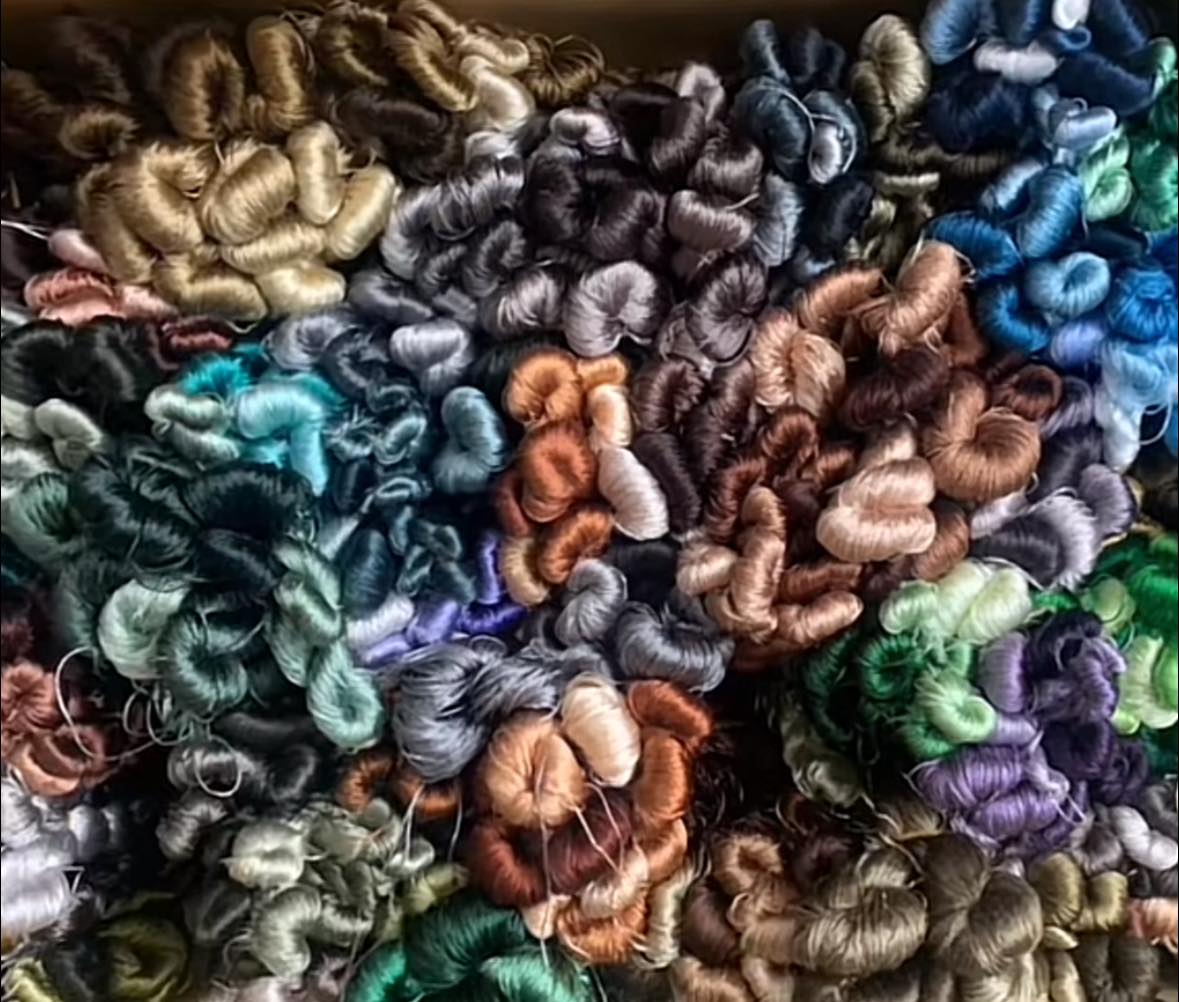
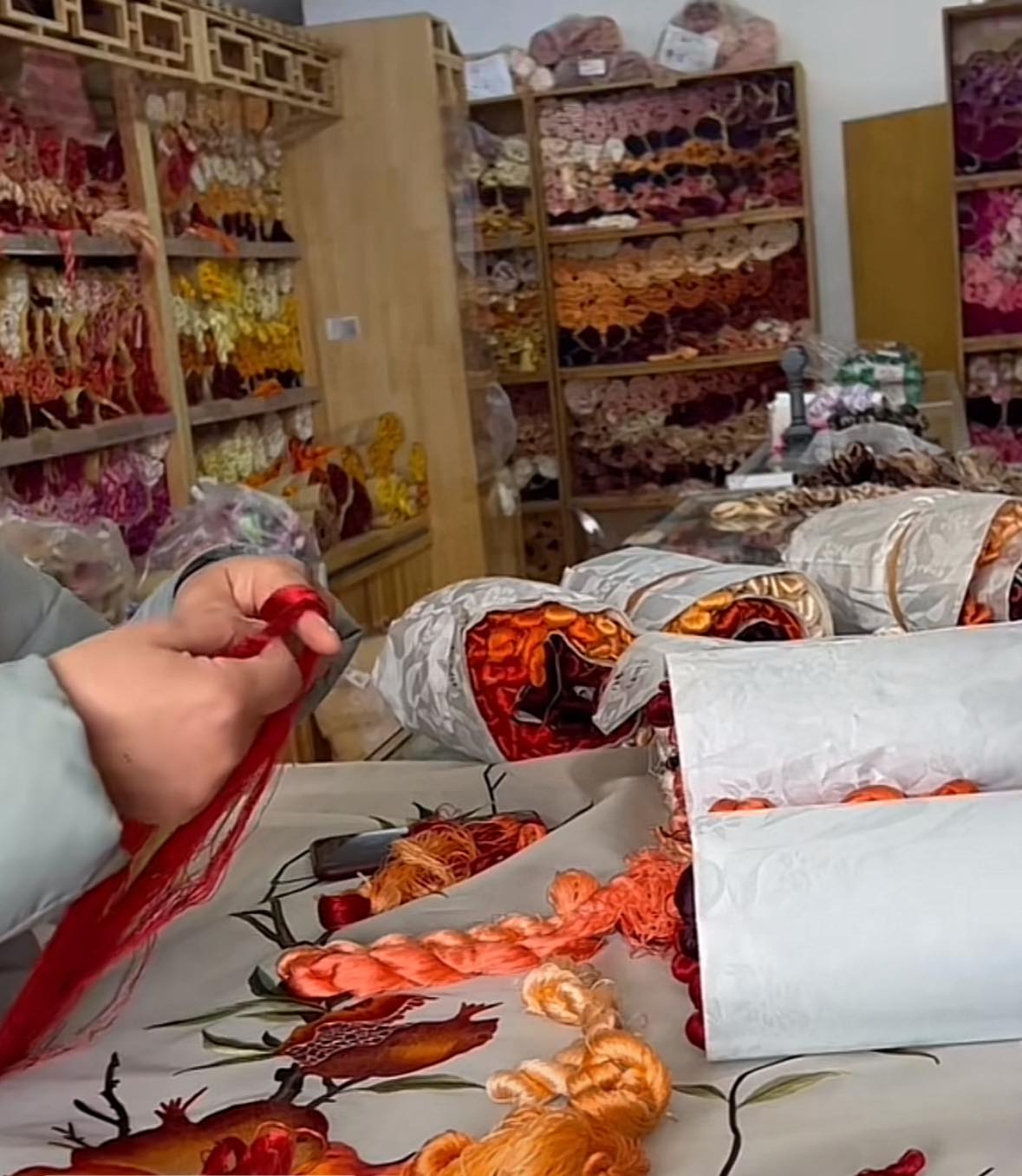
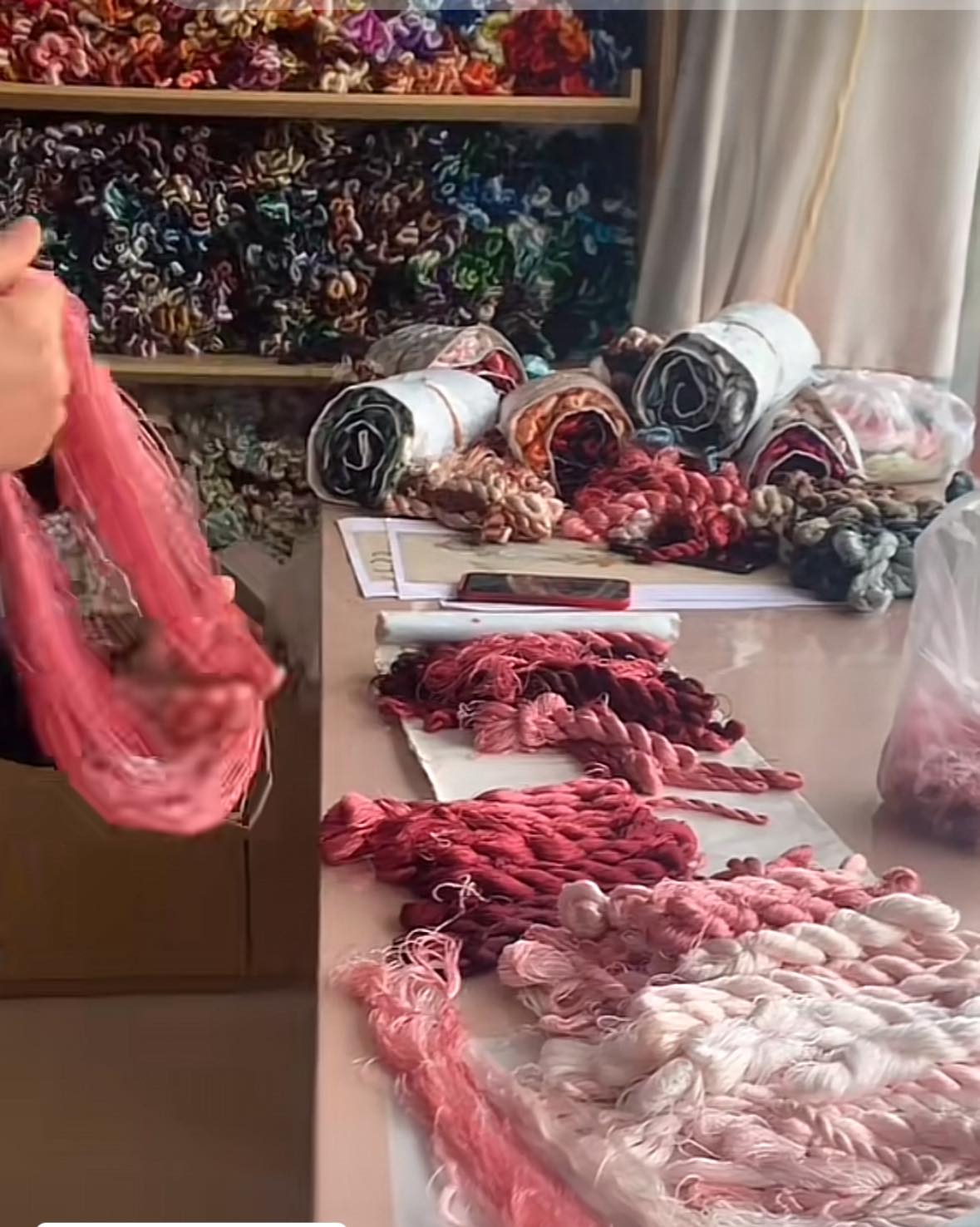
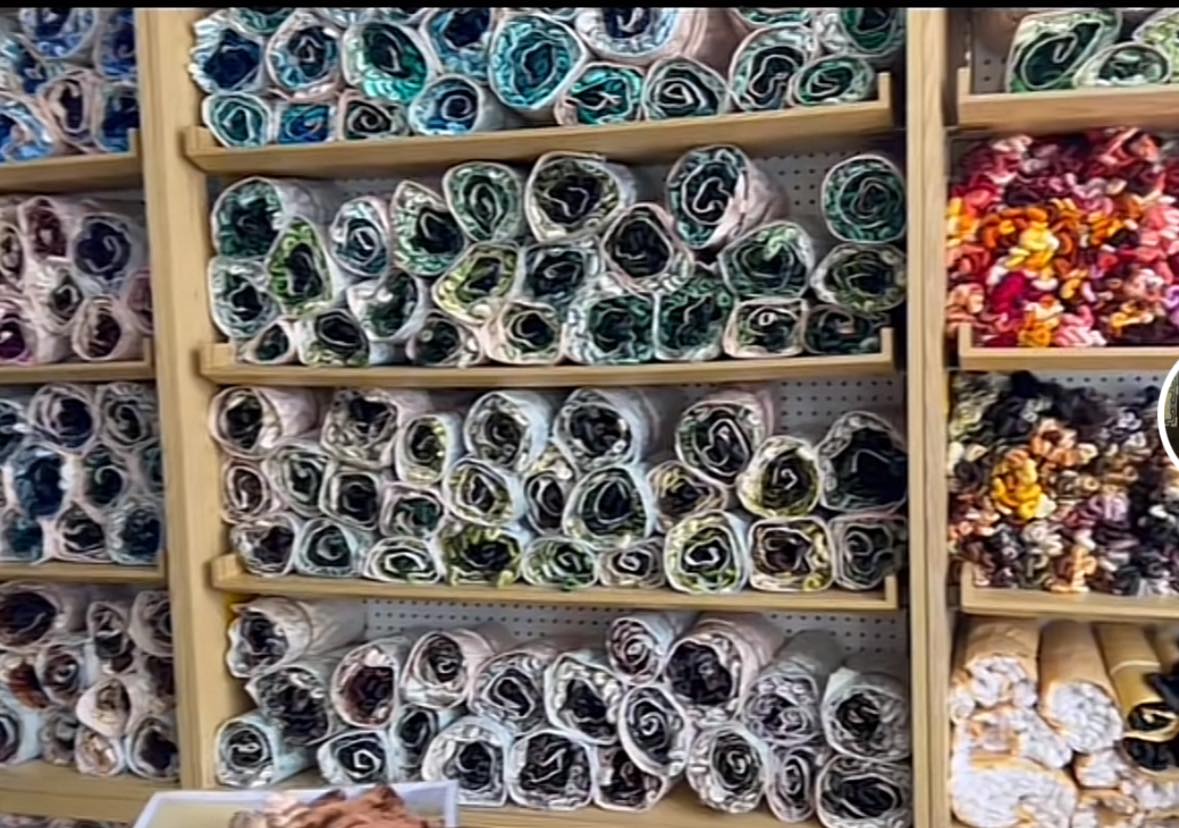
Since the Song dynasty, embroidery has been closely linked to painting and calligraphy. To follow brushwork, embroiderers needed many closely graded colours and threads fine enough to blend. When Shao Xiaocheng works on Song-style and Gu-style pieces, the matching threads have to be very abundant and accurate.
Dividing silk
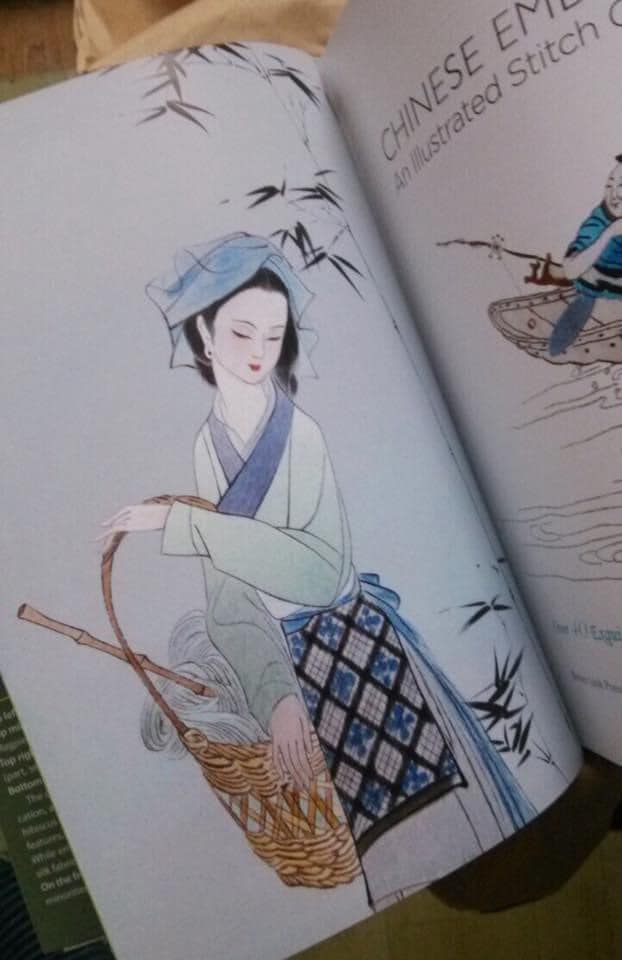
In Chinese Embroidery: An Illustrated Stitch Guide, dividing silk means separating a thread into finer strands. A fuller strand covers smoothly; a finely divided filament carries little material, so edges and textures read as light or partly transparent. Fineness alone does not explain every change of sheen; see why Chinese silk embroidery seems to change colour. More: how to choose silk thread.
Song embroidery threads
Song works such as Majestic Eagle use extremely fine divided strands for feathers. See Song dynasty embroidery: painting, silk and stitches.
Gu embroidery threads
Gu-style embroidery is marked by soft, tender colours and extremely thin threads produced by thread division, and influenced embroidery in southern China. For how Ming Gu-style work compared with northern Shandong embroidery, see Gu-style vs Shandong embroidery in the Ming dynasty. For another distinction, Gu embroidery vs Su embroidery explains why shared fine silk and pictorial interests do not make the historical labels interchangeable.
Case study: Chinese Parasol and Paradise Flycatcher
Shao Xiaocheng’s 图说刺绣艺术 presents this contemporary Gu-style work, designed and embroidered by her, in the mood of Qing literati painting: an autumn tree, a paradise flycatcher on a branch, a small bee on a leaf. The book notes Gu embroidery’s preference for middle tones and records five grades of white silk in the bird. This is a way of seeing tonal intervals, not a recipe.
The book relates the handling of needle and thread to the varied cadence and inflection of brush-and-ink work, so line, tone and surface share one task: carrying the pictorial energy of the scene without leaving the silk surface loud or heavy. It describes fine silk colour and flexible use of several stitch approaches as bringing the work’s refinement and restraint into harmony with the painting’s airy quality.
The two passages from 图说刺绣艺术 drawn on here do not set out a stitch-direction diagram or a making sequence; they support a visual reading, not a how-to lesson.
Song embroidery on video
The Chinese Embroidery Institute has been working to revive this embroidery art, which is at risk of being lost. A short video of Song embroidery in progress:
Threads for your own work
Silk embroidery thread with a colour-matching service · twisted silk thread.
Frequently asked questions
Why are Song and Gu embroidery threads so fine?
To follow the brushwork of painting, embroiderers needed many closely graded colours and threads fine enough to blend. Extremely fine divided silk let embroidery imitate painting.
What does dividing silk mean?
In Chinese Embroidery: An Illustrated Stitch Guide, dividing silk means separating a thread into finer strands. A fuller strand covers smoothly; a finely divided filament carries little material, so edges and textures read as light or partly transparent.
What characterises Gu embroidery colour?
Gu-style embroidery of the Ming inherited the Song practice of soft, tender colours and extremely thin threads, and it prefers middle tones. It influenced embroidery in southern China.
How many shades of white are in the paradise flycatcher study?
Shao Xiaocheng’s 图说刺绣艺术 records five grades of white silk in the bird of her Gu-style work Chinese Parasol and Paradise Flycatcher. It is a way of seeing tonal intervals, not a recipe.
By the Chinese Embroidery Institute. Updated 2026.